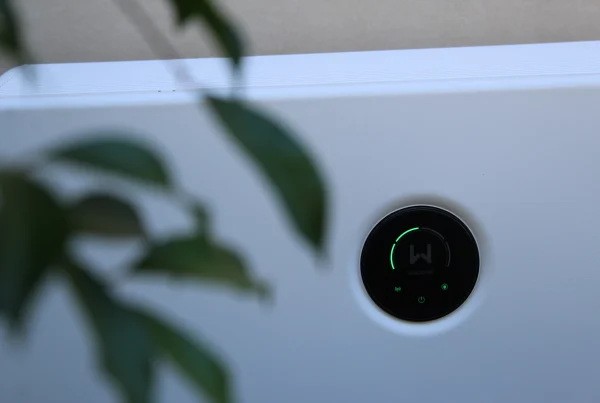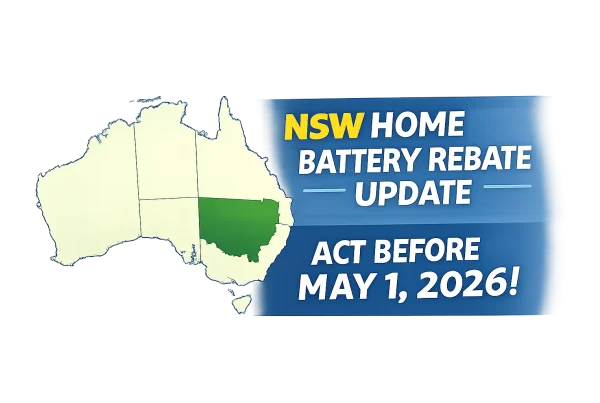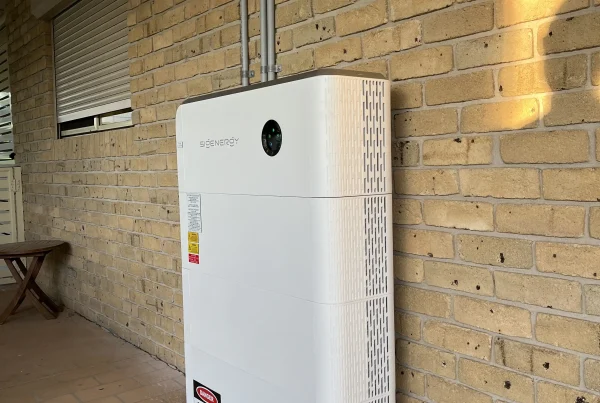
The GoodWe ESA + Aiko – our local, Newcastle solar and battery powerhouse solar and battery combo.
Thinking about solar and a battery, but not sure where to start – or whether it’s even worth it?
This guide walks you through, in plain English:
- What a solar + battery system actually does
- When a battery makes sense (and when it doesn’t)
- How to judge panels and batteries without becoming an engineer
- Why we like pairing Aiko solar panels with the GoodWe ESA all-in-one battery system
- What payback looks like in 2026.
1. Quick snapshot: Is a solar + battery system a good fit for you?
You’re probably on the right track if:
- Your power bills are regularly in the hundreds of dollars
- You’re planning to stay in the home at least 5+ years
- Most of your heavy usage is evenings and early mornings
- You like the idea of keeping the lights on in a blackout
- You want to protect yourself against rising electricity prices
If that sounds like you, a solar + battery, like the GoodWe ESA + Aiko combo, is worth a serious look.
If your usage is very low, you’re hardly home, or you may move in a year or two, and you look at the financial payback periods only – then it won’t make sense to put solar on. Simple. But if you value independence from the grid, keeping the fridge cold when the power drops in the street, and protecting yourself against these rising prices and being at the whim of your energy retailer – then these considerations outweigh the payback period.
2. What is a solar + battery system, in plain English?
Here’s the simple version of how it all works:
- Solar panels (Aiko) on your roof turn sunlight into DC electricity.
- An inverter turns that DC into usable AC power for your home.
- A battery (GoodWe ESA) stores any excess energy you don’t use during the day.
- Later on – evenings, storms, blackouts – the battery feeds that stored energy back into your home.
Day in the life:
- Sunny midday: Panels power your home first. Extra energy fills the ESA battery.
- Evening/night: The battery runs the house as long as it can. Once it’s empty, you fall back to the grid. Batteries are designed to get you through the night.
- Blackout: The ESA switches to backup mode in milliseconds (good enough that most people don’t notice the change) and keeps your essential circuits running – or full home backup.
The result: less bought power from the grid, more control, and backup when the grid goes missing.
3. When does a battery actually make sense?
A battery isn’t for everyone. Here’s a brutally honest breakdown.
Great candidates for solar + battery
You’re likely a good fit if:
- You use a lot of power at night – cooking, air-con, EV charging, pool pumps on timers etc.
- You experience occasional blackouts and don’t like being left in the dark.
- You’re planning to stay in the property long enough to see the investment pay off.
- You want more energy independence and protection from price rises.
Across Australia, typical solar + battery payback periods in 2025 are often quoted in the 5–7 year range, depending on tariffs, usage and rebates.
When panels-only might be smarter (for now)
You may be better with just good quality panels if:
- Your bills are quite low
- You’re barely home in the evenings
- You may sell or move in the short term
- You want the fastest possible payback and lowest upfront cost
Panels alone in NSW often see simple paybacks around 4–7 years when sized and priced correctly.
4. How to judge solar panels (without getting lost in specs)
There are hundreds of panel brands. Here’s what actually matters, briefly.
The key things to look for
- Efficiency – how much sunlight becomes electricity.
- Many standard panels are ~21% efficient.
- Aiko residential panels reach up to around 23.3–23.8% efficiency, meaning more power from the same roof space.
- Warranty
- Product warranty (covers defects in the panel itself).
- Performance warranty (how much output is guaranteed after 25–30 years).
- Many Aiko panels come with 25-year product and 30-year performance warranties, with low annual degradation.
- Degradation rate
- This tells you how quickly output drops each year. Lower is better.
- Independent testing and track record
- Aiko’s ABC (All Back Contact) modules have performed strongly in independent lab testing and global efficiency rankings. AIKO Website+1
What this means for you
- If your roof space is limited, Aiko lets you get more kW on the roof without cramming it full.
- If you’re planning to stay long term, the long warranties and low degradation help protect your investment.
5. How to judge batteries and inverters
With batteries, you don’t just want “a big number in kWh”. You want a system that actually works with your life.
Key battery/inverter questions
- Usable capacity (kWh):
Roughly, this is how much stored energy you’ve got to play with overnight. The GoodWe ESA system uses 5 kWh and 8 kWh battery modules, and can go up to 48 kWh per stack, sized to your household. - Power output (kW):
This is how many things you can run at once. The latest ESA series offers 3–10 kW inverter options, enough to support whole-home loads when designed properly. - Backup capability:
The new ESA has UPS-level backup, switching over in under 4 milliseconds, with up to 63A whole-home backup support – meaning it’s designed for proper backup, not just keeping a single light on. - Safety:
Modern systems use LiFePO₄ (LFP) cells and multi-layer protection. The ESA includes multiple safety layers, such as advanced arc-fault detection (AFCI 3.0) and integrated protections at both the inverter and battery levels. See below for some of the advanced protection the Goodwe ESA solar battery provides.
- Warranty & support:
Look for solid warranties from brands with an Australian presence and local support channels.
6. Why we pair Aiko solar panels with the GoodWe ESA all-in-one battery
Once you know what to look for, here’s why this particular combo works well for many homes. Like we said, this is our powerhouse combo for solar and battery systems in Newcastle.
Aiko on the roof – what is really important?
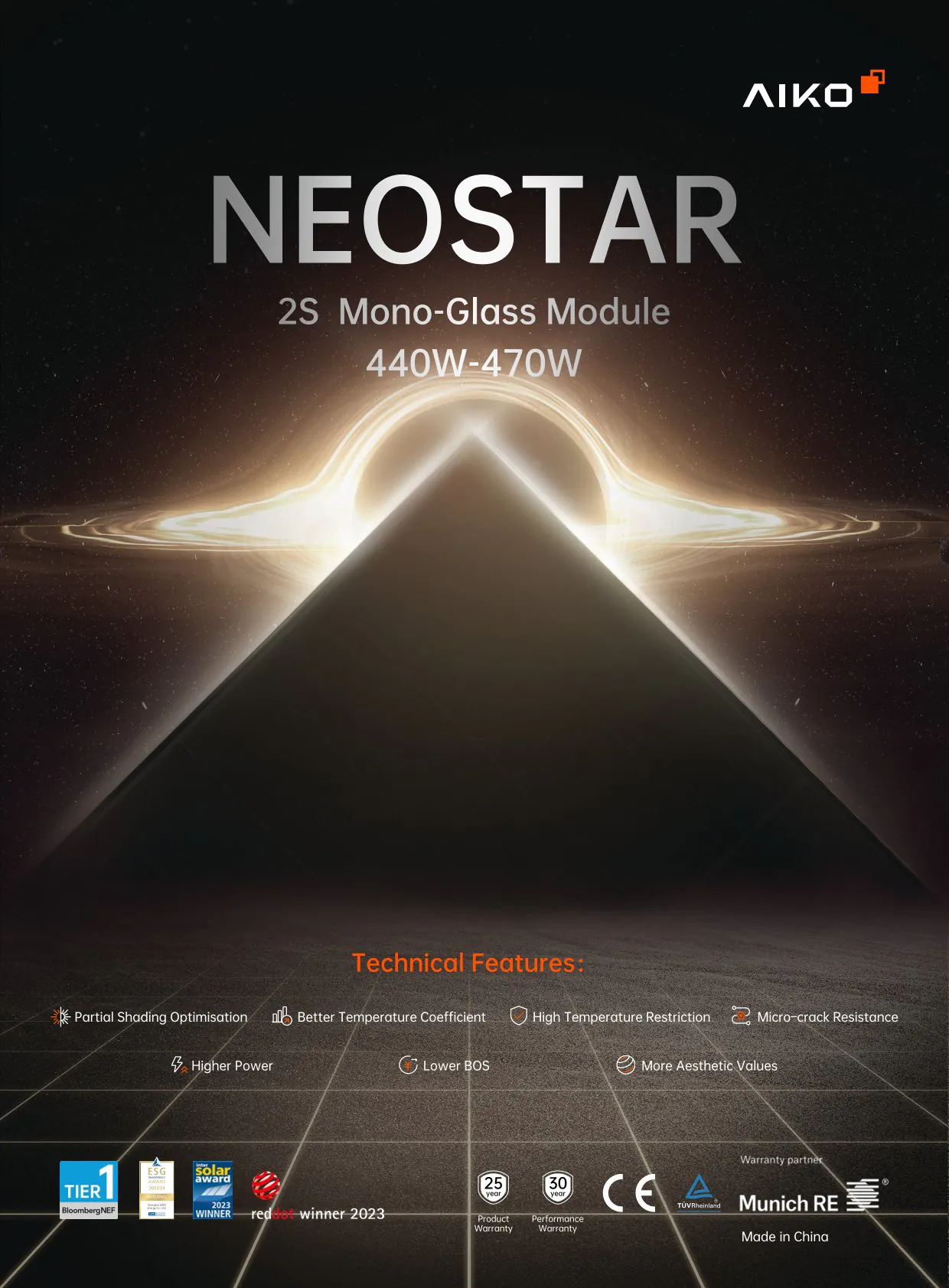
Glass Thickness. Glass thickness you may ask? s’s that got to do with anything. As long as it looks all black, and has a good warranty and performance what’s the difference? Well if you have read this far into the blog, congratulations as now you will recieve insider information into what is really important in a solar panel, and one of those starts with the actual, physical construction and materials used in the product. It’s easy to say warranty this, and warranty that, but here is a direct, tangible difference;
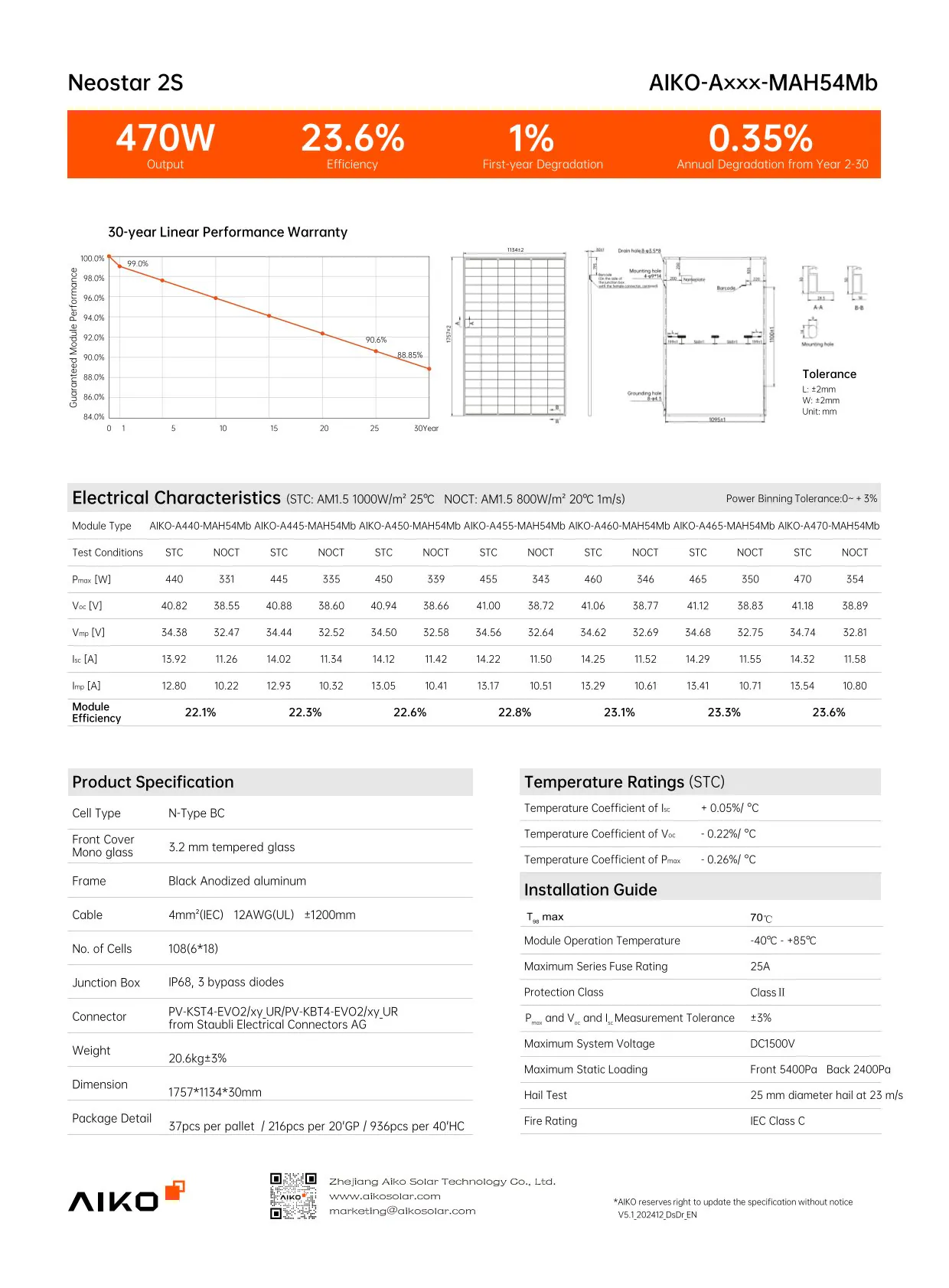
The Aiko utilises a 3.2mm tempered front glass construction [read the datasheet above] where many other panels with the same warranties, and output, have a 1.6mm un-tempered glass front. Did you know, that a thicker glass is directly attributable to solar panels performing better in severe weather events such as hail?
And of course, when hail comes around Newcastle NSW and the surrounding suburbs and hits your solar panels, you may not experience glass breakages but severe micro-cracks
And the more important, manufacturers do not warrant against hail!!!! So – any hot spots, or failures attributable to hail – are not warranted and your manufacturer and installer walks with their hand clean. This – is a sign of an inferior product.
What is the point of a 25 year warranty, if having a 1.6mm glass thickness is all you get and the likely hood of having a hail event within that time is so high that your warranty won’t apply anyway?
You may as well give your system the best chance of survival. Have you all seen this video? A good solar panel will do this for you, day in, day out.
Who matches this?
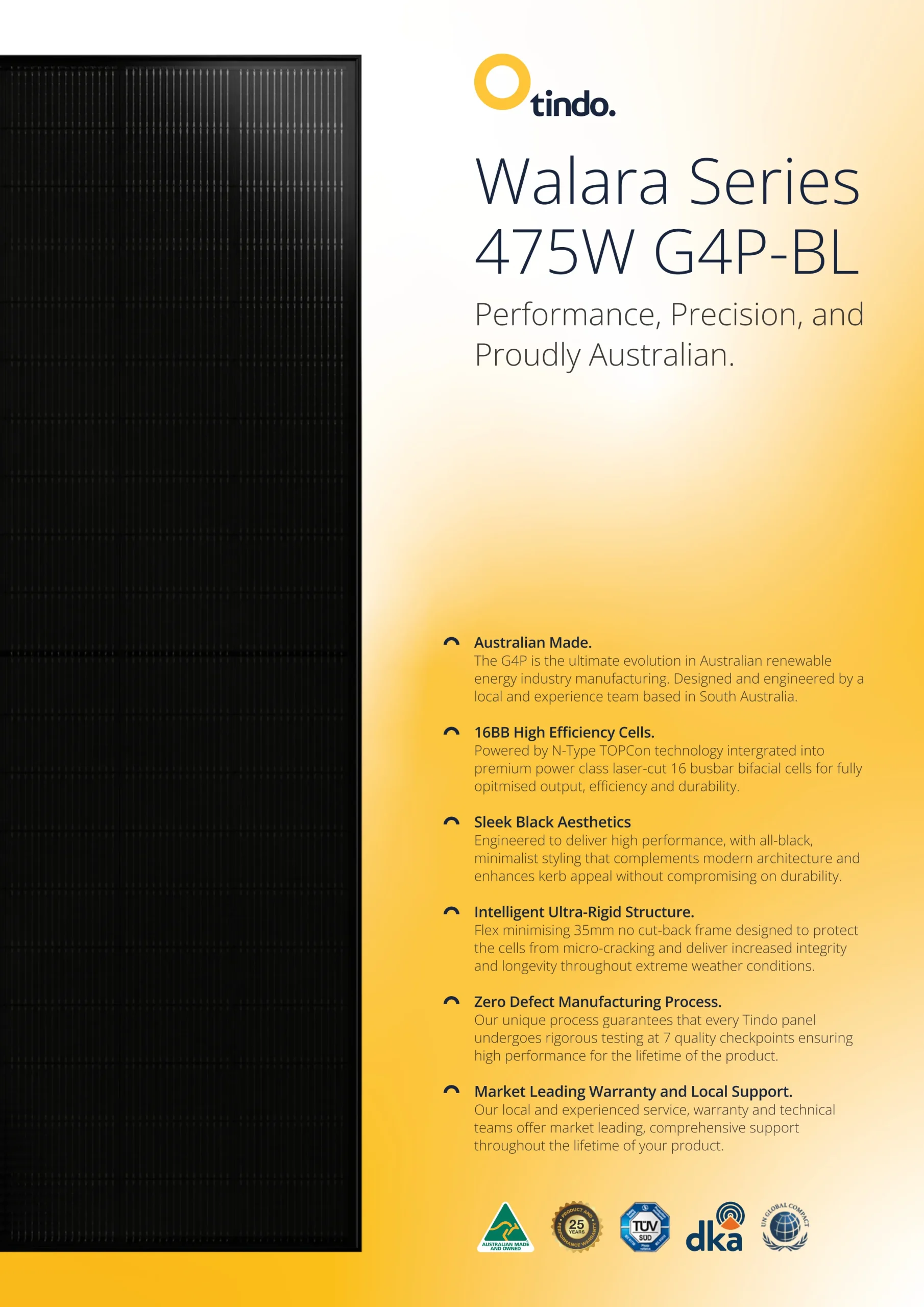
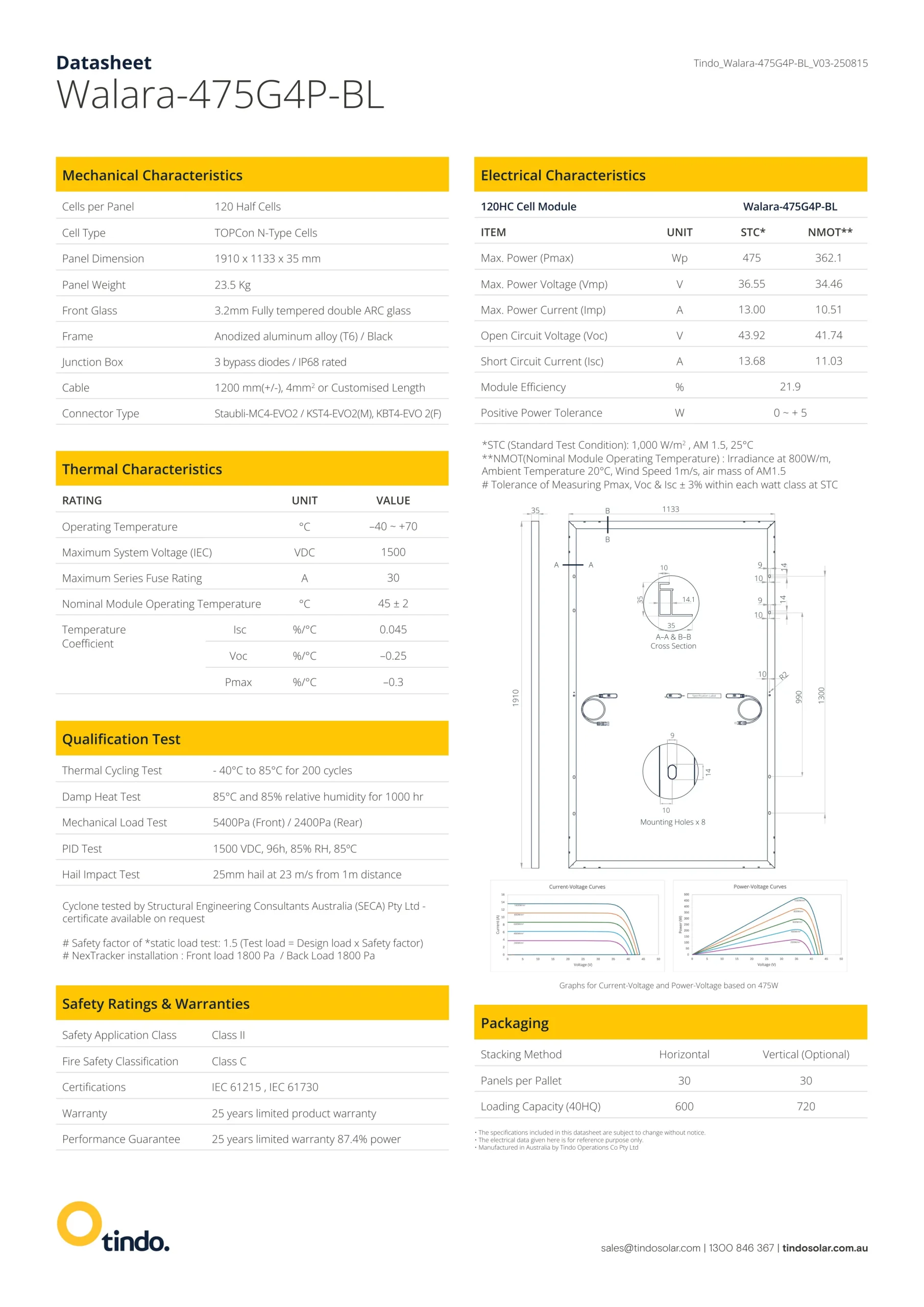
TINDO Australia are likely better than AIKO here. They offer a 3.2mm FULLY TEMPERED glass front.
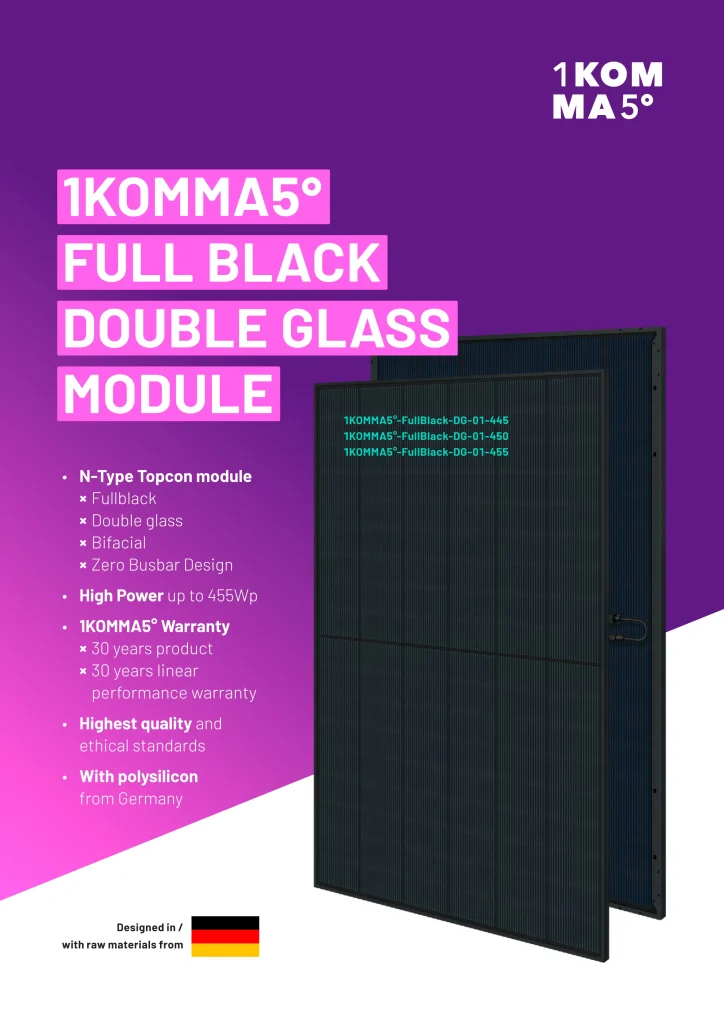
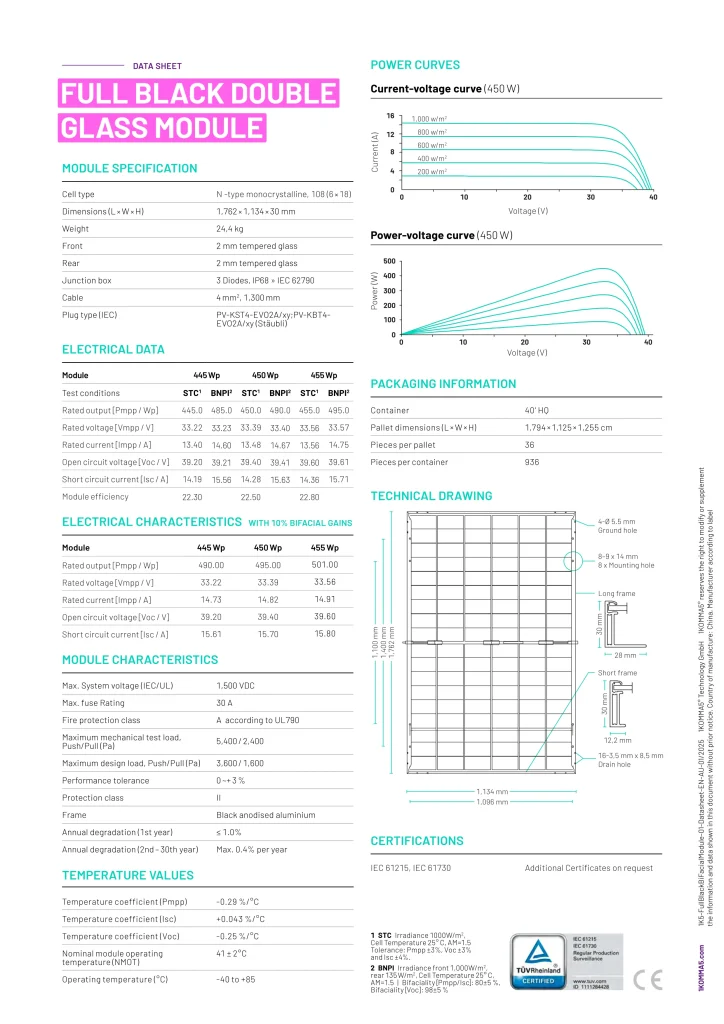
Look, there is alot more than glass thickness. But this is not a technical deep dive. It’s just showing you the difference between a cheap product and something that it not expensive, but built properly. Now, we are not picking on 1KOMMA5, but let’s take their glass for example and thier own description for their panels;
‘The 1KOMMA5° Panel Sets New Standards.
Thanks to the latest TopCon technology, the high-performance panels from 1KOMMA5° achieve maximum efficiency with minimal carbon footprint. With a 30 Year Product Warranty and 30 Year Linear Performance Warranty, your home’s solar generation is secure for the long term.
Quality and ethical standards are regularly tested by the Fraunhofer Institute in Freiburg’
Okay, 1KOMMA5, we take it on board. A 2mm tempered glass is alot better than some of the bottom entry 1.6mm glasses, but still, you lag behind some common other players at a better price point. What is the point of a minimal carbon footprint, and maximum efficiency if your panel has a much higher chance of going to the bin earlier due to more chance of being damaged by hail? We just don’t get it – but these are advertising material used by companies all the time.
GoodWe ESA on the wall
- Truly all-in-one: inverter + battery in one neat, pre-wired unit, which simplifies installation and reduces wall clutter. GoodWe+2Solahart Sunshine Coast+2
- Scalable storage: 5 kWh and 8 kWh modules up to 48 kWh in a single stack – so you can start modest and scale over time if your needs grow. SolarQuotes.com.au+2SolarQuotes.com.au+2
- Whole-home style backup: up to 63A backup support with sub-4 ms switchover, meaning your key loads stay powered when the grid drops. GoodWe+2SolarQuotes.com.au+2
- Safety first: multi-layer protection and advanced arc-fault detection built-in. GoodWe+2SolarQuotes.com.au+2
Where this combo really shines
It’s particularly strong for households that:
- Want premium panels with excellent output from a smaller roof footprint
- Value a clean, compact battery install (not a spaghetti of boxes)
- Want proper backup capability, not just a token battery sitting there
7. What about cost and payback in 2025?
Exact numbers depend on:
- Your usage (kWh/day and when you use it)
- Your tariff type (flat, time-of-use, demand, wholesale-linked, etc.)
- System size (kW of panels, kWh of battery)
- Available rebates (including the federal Cheaper Home Batteries Program and STCs)
Some useful reference points from recent Australian data:
- Solar only: Many sources and government guidance suggest typical payback periods of roughly 4–6 years in NSW, depending on system size and tariffs. Australian Energy Council+4Solar Calculator+4SolarQuotes.com.au+4
- Solar + battery: Recent analyses put combined solar + battery paybacks in the 5–10 year range, with the new federal 30% Cheaper Home Batteries Program shortening paybacks in many cases. Daily Telegraph+5Solar Choice+5Amber Energy+5
The key takeaway: in the right household, solar + battery can now pay for itself within the system’s warranty period. But it’s not automatic – your pattern of use really matters.
That’s why we always start with your actual power bills, rather than throwing generic numbers at you.
8. What the process looks like with us (Newcastle & surrounds)
Here’s how we usually approach a GoodWe ESA + Aiko design:
- Bill + usage review
You share recent bills and a bit about how you use power (EV, work from home, pool, etc.). - Roof & switchboard check
We review your roof, shading, and switchboard to confirm what’s possible and safe. - Design options
We’ll typically present:- A panels-only model
- A GoodWe ESA + Aiko solar + battery option (sometimes with different storage sizes)
- Modelling payback and savings
We model how much of your usage can realistically be shifted to solar and battery, and estimate the payback range based on current tariffs and any rebates available. - Install & handover
The ESA all-in-one design helps keep installs neat and efficient, and we walk you through how to read your monitoring app and what to expect. - Aftercare & servicing
We stay in the loop for warranty support, performance checks, and future expansion (e.g. adding more battery modules).
9. Common questions about the GoodWe ESA + Aiko combo
“What happens in a blackout?”
The ESA switches to backup mode in under 4 milliseconds, fast enough that most devices won’t even notice. We can design which circuits are backed up so you’re not overloading the system. GoodWe+2SolarQuotes.com.au+2
“Can I add more battery later?”
Yes. The ESA platform is modular, so we can start with a sensible size and add extra 5 or 8 kWh modules later (up to 48 kWh per stack) if your needs grow. HOWEVER, you can only claim the federal home battery rebate once, why is why if you are looking for solar and batteries on your Newcastle home, it is important to err on the side of caution and choose up one size.
“What if I already have solar?”
Depending on your existing inverter and system layout, we may be able to retrofit a battery solution. In some cases, it’s cleaner to upgrade the inverter as part of the ESA install. We’ll assess this for you rather than forcing one path.
“How long will the battery last?”
LFP batteries like those used in modern systems are designed for many years of daily cycling, with warranties typically around the 10-year mark. The exact warranty terms depend on the final configuration and product variant we use.
“Will this completely wipe out my bill?”
Realistically, you’ll still have a supply charge and some grid usage, especially in long periods of bad weather. Alot of our customers experience bill reduction greater than 90%, which is a tremendous result.
10. Want to know if the GoodWe ESA + Aiko combo fits your home?
If you’re:
- Sick of high evening bills
- Keen on blackout protection
- Planning to stay in your home long-term
- And want premium gear (without getting lost in spec sheets)
…then a GoodWe ESA + Aiko system is a strong option to consider.
Next step:
Send through a recent power bill and a few details about your home, and we’ll:
- Check whether a battery genuinely makes sense for you
- Size up an Aiko + ESA system that fits your usage
- Give you a clear explanation of cost, rebates and payback range – in plain language, no fluff