Solar Power Fires in Newcastle:
Innovative Solutions for Enhanced Safety and Maintenance
Solar energy is a transformative technology that has reshaped how we harness and use power, especially in regions like Newcastle, NSW, where the demand for renewable energy continues to grow. However, as solar installations become more widespread, it is essential to address all aspects of system safety and maintenance. One of the emerging concerns in solar installations is the risk of solar power fires—often sparked by water ingress into the system’s DC wiring. In this blog post, we’ll explore the causes behind these fires, delve into the technical details of how water ingress affects solar systems, and introduce an innovative retrofit solution designed to prevent such incidents. We’ll also cover best practices in solar maintenance, rectification work, and servicing to keep your installation running safely and efficiently.
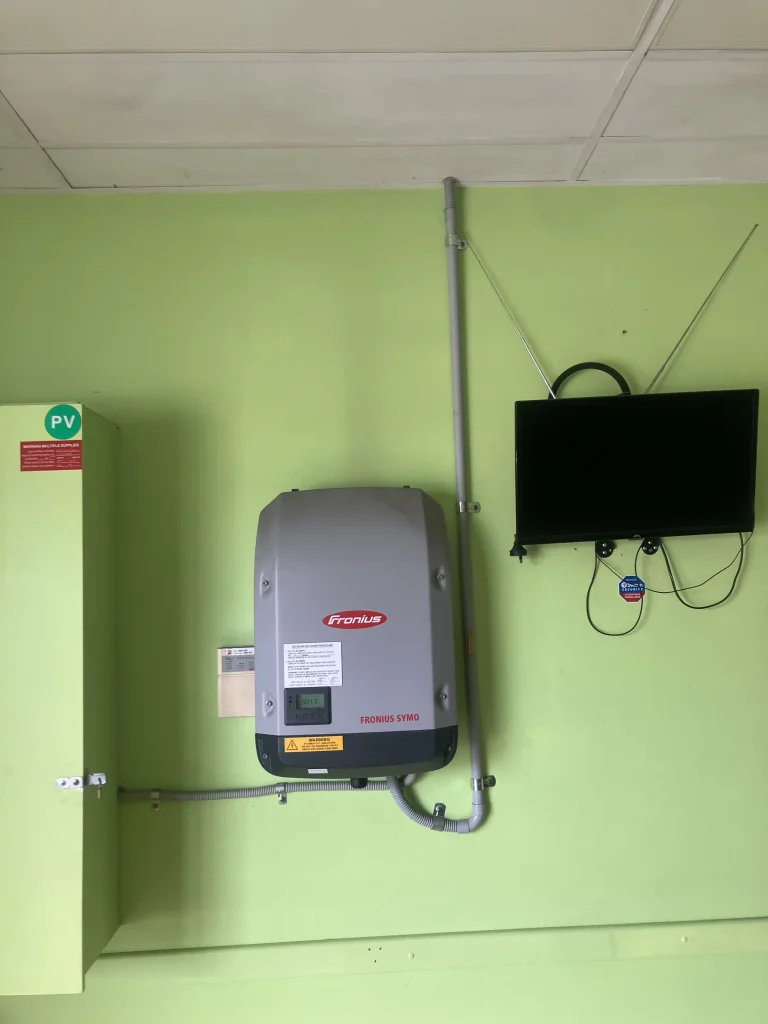
Before drain installation and after drain installation. You can see the drain on the bottom of the conduit.
Understanding the Risk: Water Ingress and Solar Power Fires
Solar power systems are built to last, but like any electrical installation, they are vulnerable to environmental factors. In Newcastle, where weather conditions and occasional heavy rainfall are common, water ingress into the DC wiring can pose a significant hazard. The primary concern is water entering the DC conduit run from the roof, which in many installations leads directly into the DC isolator.
BACK IN THE DAY, A lot of time the standard practice was to run the DC conduit straight into the isolator. People would either run it into the top of the isolator or into the bottom of the isolator. Running external conduit into the top of an isolator is just bad workmanship because having an entry on the top leads to water inherently going in over time. Impossible to prevent.
But conduit running into the bottom of the isolator is a safer option however if water or enough water gets in the conduit the water will rise and get into the isolator. This is typically when a fire starts and your house burns down.
How Does Water Ingress Occur?
Water ingress typically happens when:
- Rainwater or moisture accumulates on the roof and finds its way into the conduit.
- Inefficient sealing at junction points or connections allows water to enter.
- Poorly maintained conduit systems or outdated installation techniques create pathways for water.
Once water infiltrates the system, it can reach critical components like the DC isolator, where it disrupts the intended operation and safety mechanisms.
Why Is Water a Serious Problem for DC Circuits?
In solar installations, the DC side of the system does not have the same level of overcurrent protection as the AC side. There is no circuit breaker on the DC side that can trip in the event of an electrical fault, which is common on the AC side. This lack of a quick-disconnect mechanism means that if water causes a bridging between conductors in the DC wiring, the resulting arc can initiate a fire that not only burns intensely but continues to propagate.
The phenomenon is particularly dangerous because:
- DC isolators, which are meant to disconnect the circuit for maintenance or emergency, can allow water to seep in if they are not adequately protected.
- The absence of a DC circuit breaker means that any fault remains active until manually corrected, which can lead to sustained arcing and fire propagation.
Water in Solar Conduit – Newcastle Shop
The Technical Challenge: DC Versus AC in Solar Installations
When discussing the technicalities of solar power systems, it’s important to differentiate between the DC and AC sides of the installation:
AC Side: Built-In Safety Features
- Circuit Breakers and Earth Leakage Protection: AC systems are typically equipped with circuit breakers and residual current devices (RCDs) that can detect faults and disconnect the circuit quickly.
- Structured Wiring: AC wiring is often housed in cables and conduits that are designed to minimize exposure to the elements.
DC Side: A Vulnerable Point
- Lack of Interrupt Mechanisms: Unlike the AC side, the DC side of solar installations usually lacks an immediate fault interruption mechanism. Without a circuit breaker on the DC side, any fault caused by water ingress may go unnoticed until significant damage occurs.
- Increased Fire Risk: If water bridges the gap in the DC circuitry—particularly at the DC isolator—an arc can form, leading to a fire that continues to burn unabated. This risk is especially heightened when water is inadvertently introduced by external sources such as watering grass near the isolator or through condensation.
Understanding these differences is crucial for anyone involved in the design, installation, or maintenance of solar power systems. It highlights why specialized maintenance and protective measures are necessary to ensure the longevity and safety of these systems.
Common Causes of Solar Power Fires in Newcastle
1. Water Ingress Through DC Conduits
The most frequent cause of solar power fires is water entering the DC conduit from the roof. This ingress is often due to:
- Degraded Seals: Over time, the seals and gaskets that prevent water entry can degrade, allowing moisture to seep into the conduit.
- Poor Installation Practices: Installations that do not properly secure or seal conduits are more susceptible to water ingress.
- Environmental Exposure: In Newcastle, the local weather can be unpredictable, and high rainfall periods may overwhelm poorly designed drainage systems.
2. Water Entering DC Isolators
The DC isolator, which is critical for disconnecting the solar array during maintenance, is another vulnerable point:
- Top Entry Vulnerability: Many isolators have a top entry design that, if not properly shielded, can allow water to enter.
- Lack of Circuit Interruption: Since the DC side lacks a circuit breaker, water that enters the isolator can cause an arc that leads to a sustained electrical fault and potentially a fire.
3. External Water Sources
Water isn’t always entering from above. Sometimes, it can come from:
- Watering of Surrounding Areas: Activities such as watering the grass near the isolator can cause water to pool and eventually seep into the conduit or isolator.
- Roof Leaks: Aging roofs or improperly maintained roofing systems can develop leaks, leading to water ingress.
These scenarios highlight the importance of diligent solar maintenance and rectification work to prevent such hazardous conditions from developing.
Innovative Solutions: The Retrofit Tee Drain
Addressing the issue of water ingress requires innovative solutions that can be retrofitted onto existing solar installations. One such breakthrough is the Conduit Drain Tee with Aluminium Valve—a component designed to mitigate the risk of water accumulation within the DC conduit system.
How the Retrofit Tee Drain Works
The retrofit tee drain is engineered to:
- Divert Water Away: The drain tee is installed at strategic points within the conduit run, especially near the DC isolator. Its design ensures that any water entering the conduit is quickly directed away from critical components.
- Facilitate Drainage: With an integrated wind-in drain at the bottom, the tee allows water to escape, reducing the chance of water pooling and causing a hazardous condition.
- Enhance Longevity and Safety: By preventing water accumulation, the drain tee helps maintain the integrity of the DC circuitry, thereby reducing the risk of fire.
Installation and Retrofitting Process
Our team has successfully retrofitted these drain tees on numerous installations in Newcastle. The process involves:
- Assessment of Existing Installations: Our technicians evaluate the current conduit and isolator setup to determine where water ingress is most likely.
- Safe Removal of Old Conduits: During maintenance or rectification work, old conduits that are prone to leakage are carefully removed.
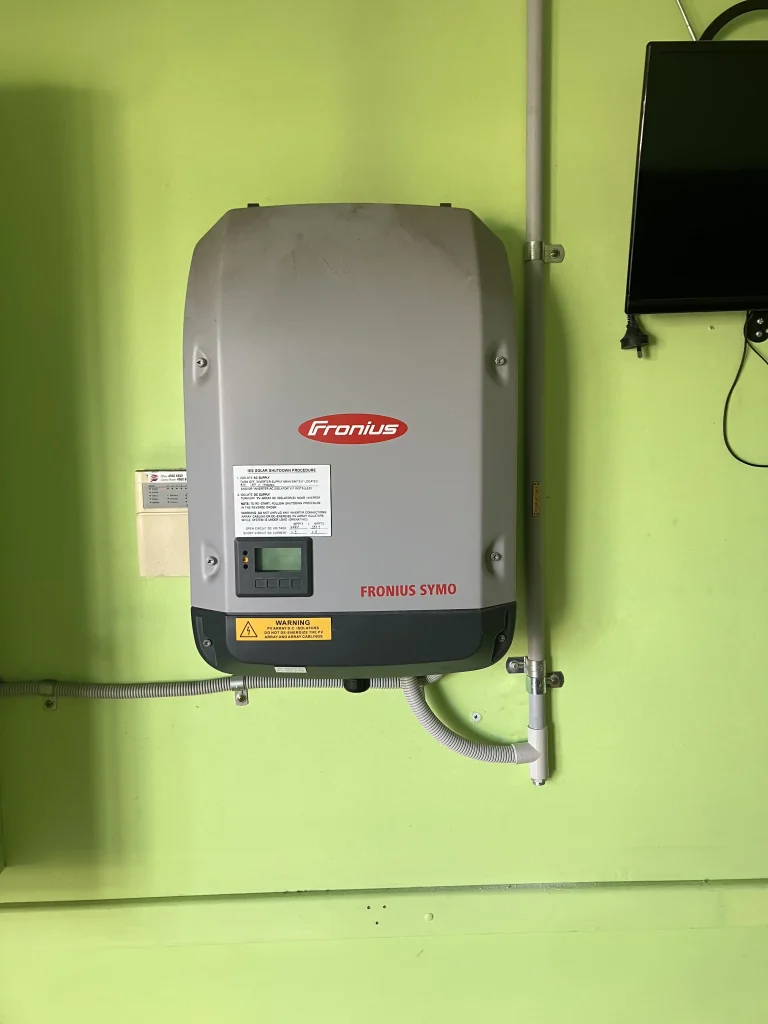
- Installation of the Drain Tee: The new drain tee is then fitted in place, ensuring a seamless connection between the inverter and the DC isolator. As the old conduit is removed, any water that had accumulated is safely drained away.
- Testing and Validation: Once installed, the system is rigorously tested to ensure that the new component effectively prevents water ingress.
For more detailed specifications and to see how this retrofit solution can enhance your solar installation, visit our product page: Conduit Drain Tee with Aluminium Valve.
Newy Solar Co Installs drain to prevent solar power fires Newcastle
Our Approach to Solar Maintenance and Servicing in Newcastle
At our company, we understand that every solar installation is unique. Our comprehensive range of services is designed to address the specific needs of your system, ensuring optimal performance and safety. Our expertise in solar maintenance, solar servicing, and rectification work makes us a trusted partner for solar installations in Newcastle.
Solar Maintenance: Keeping Your System in Top Condition
Regular maintenance is key to preventing issues before they develop into serious hazards. Our solar maintenance services include:
- Routine Inspections: We perform thorough inspections of all solar components, including panels, inverters, and DC isolators, to detect signs of wear or water ingress.
- Preventative Measures: By identifying potential vulnerabilities, such as degraded seals or aging conduit, we can take proactive steps to reinforce the system.
- Cleaning and Repairs: Dust, debris, and moisture can all contribute to system inefficiencies and hazards. Our team ensures that all parts of your installation are clean and functioning correctly.
Rectification Work: Addressing and Correcting Issues
Sometimes, installations require more than just routine maintenance. Our rectification work is designed to address existing problems and upgrade outdated components:
- Upgrading DC Isolators: We retrofit modern, water-resistant DC isolators that are less susceptible to water ingress.
- Replacing Vulnerable Conduits: Our team replaces old or damaged conduits with new, sealed alternatives to reduce the risk of water entry.
- Retrofitting Drain Tee Systems: As described earlier, we install innovative drain tee systems that actively prevent water accumulation—a critical upgrade that significantly reduces fire risk.
Solar Inverters and Comprehensive Servicing
Solar inverters are the heart of any solar installation, converting the DC power generated by the panels into usable AC power. Our servicing includes:
- Inverter Performance Checks: Regular testing and calibration of inverters to ensure optimal efficiency.
- Fault Diagnosis: Advanced diagnostic tools help us identify any faults, including those related to water ingress or potential arcing in the DC circuit.
- System Upgrades: We offer recommendations and installations of the latest inverter technologies to enhance overall system safety and performance.
By integrating these services, we help ensure that your solar power installation remains safe, efficient, and fully compliant with the latest industry standards and regulations.
Case Studies and Real-World Examples
Example 1: A Residential Installation in Newcastle
A homeowner in Newcastle reported an unusual accumulation of water near the DC isolator during routine maintenance. Our technicians discovered that water was seeping into the DC conduit from the roof—a condition exacerbated by heavy seasonal rains. Recognizing the potential fire risk, we retrofitted a drain tee system into the installation. Not only did this solve the immediate problem by efficiently draining the excess water, but it also improved the overall resilience of the system against future weather-related challenges.
Example 2: Commercial Solar Installation Rectification
In a larger commercial installation, our client had experienced multiple incidents of water ingress near the inverter cabinet. Regular servicing had revealed early signs of corrosion on the DC isolator—a clear indicator of moisture problems. We conducted a full assessment, identifying several compromised conduits. Our rectification work included the installation of new sealed conduits, upgraded isolators, and the strategic retrofitting of drain tee systems. This comprehensive approach not only eliminated the risk of fire but also optimized the system’s performance, leading to higher efficiency and reliability.
Example 3: A Preventative Upgrade During a Scheduled Solar Maintenance Check
During a routine solar maintenance check, our technicians noticed that an installation’s DC wiring had visible signs of moisture buildup near the connection point between the inverter and the isolator. By implementing a drain tee retrofit before any damage occurred, we prevented what could have been a major safety incident. This preventative measure highlights the importance of regular maintenance and proactive upgrades in ensuring the long-term safety of solar power systems.
Best Practices in Solar Maintenance and Safety
Effective solar maintenance and rectification work require a proactive and detailed approach. Here are some best practices to consider:
Regular Inspections
- Frequent System Checks: Schedule inspections at least twice a year, especially before and after the rainy season.
- Visual Assessments: Look for any signs of water pooling, corrosion, or physical damage on conduits and isolators.
- Thermal Imaging: Use thermal cameras to detect hot spots that may indicate electrical arcing or compromised components.
Upgrading Outdated Components
- Replace Old Conduits: If your system has been in place for many years, consider upgrading to modern, sealed conduit systems.
- Modern DC Isolators: Invest in water-resistant DC isolators that minimize the risk of water ingress.
- Install Retrofit Drain Tee Systems: Proactively install drainage solutions in areas prone to moisture accumulation to prevent water ingress before it becomes a problem.
Comprehensive Solar Servicing
- Contract with Experienced Professionals: Ensure that your solar servicing and rectification work are carried out by qualified professionals who understand the unique challenges of solar installations.
- Document Maintenance Activities: Keep detailed records of all inspections, maintenance activities, and upgrades performed on your system. This documentation is crucial for identifying trends and potential recurring issues.
- Emergency Preparedness: Have a plan in place to address any faults immediately. In the event of water ingress or any electrical anomaly, a prompt response can prevent minor issues from escalating into a major safety hazard.
Educating Property Owners
- Awareness of Risks: Homeowners and property managers should be made aware of the risks associated with water ingress and solar power fires.
- Proper Use of Surrounding Areas: Avoid activities like excessive watering near the isolator or conduit areas, as external water sources can contribute to the problem.
- Encourage Regular Check-Ups: Promote regular solar maintenance and servicing, emphasizing that preventative measures are far more cost-effective than emergency repairs or fire rectification work.
The Future of Solar Installations in Newcastle
As solar technology continues to evolve, so do the challenges associated with maintaining these systems. Innovations such as the retrofit drain tee system are paving the way for safer, more resilient installations. With growing emphasis on sustainability and renewable energy, solar installations will continue to expand, and so will the importance of rigorous maintenance and innovative safety solutions.
Embracing New Technologies
- Smart Monitoring: Future solar installations may integrate smart sensors that detect moisture levels within the DC conduit in real time, alerting maintenance teams to potential issues before they develop into hazards.
- Advanced Materials: Research into new materials for conduits and isolators may yield components that are inherently resistant to water ingress, further mitigating the risk of solar power fires.
- Enhanced Design Standards: With increased awareness of these risks, manufacturers and installers alike are moving toward designs that inherently reduce the likelihood of water ingress, making solar installations even safer.
Community and Industry Collaboration
In Newcastle, collaboration between solar installers, maintenance providers, and product innovators is essential. By sharing knowledge and best practices, the entire solar industry can work together to minimize risks and enhance system reliability. Our company is proud to be at the forefront of this collaborative effort, constantly seeking out new solutions and refining our processes to deliver the highest standard of solar servicing and maintenance.
Conclusion and Call to Action
Solar power is an invaluable asset in our journey towards a more sustainable future, but it comes with its unique challenges. Water ingress into DC conduit runs, particularly near DC isolators, represents a significant risk that can lead to dangerous solar power fires. Understanding these risks, maintaining rigorous inspection routines, and adopting innovative solutions are all critical components of a safe and efficient solar installation.
Our innovative retrofit drain tee solution addresses the water ingress issue head-on. By providing an efficient drainage pathway, it not only prevents water from accumulating in critical areas but also enhances the overall safety and reliability of your solar power system. Whether you are managing a residential installation or overseeing a commercial solar project in Newcastle, our team of experts is dedicated to providing comprehensive solar maintenance, rectification work, and servicing solutions tailored to your needs.
Why Choose Our Services?
- Expertise in Solar Maintenance: We specialize in solar servicing in Newcastle, ensuring that every component—from solar inverters to DC isolators—is functioning optimally.
- Innovative Rectification Work: Our solutions, including the installation of the conduit drain tee with aluminium valve, are designed to preemptively eliminate fire risks by stopping water ingress before it becomes an issue.
- Commitment to Safety and Efficiency: Our goal is to help you achieve maximum energy efficiency while ensuring that your solar installation remains safe, reliable, and long-lasting.
If you are concerned about water ingress in your solar installation or need expert advice on solar maintenance and rectification work, we invite you to take the next step. Discover how our retrofit drain tee system can protect your investment and ensure the longevity of your solar power system.
Contact us today for a consultation or to schedule a comprehensive inspection of your solar installation.
Investing in preventative solar maintenance now not only safeguards your property against potential fire hazards but also ensures that you continue to enjoy the benefits of clean, efficient, and sustainable energy for years to come.
GET IN TOUCH