
The battery rebate kWh rate stays at the full federal rate for the first 14 kWh of usable capacity, then falls to 60% for capacity from 14–28 kWh. A 28 kWh battery therefore receives more federal support than a 14 kWh battery, but not twice as much: the approved examples are approximately $5,852 and $3,658 respectively, assuming an STC value of about $38.5.
| Usable battery capacity | Approx. federal battery STCs | Approx. federal value | NSW PDRS with VPP connection |
|---|---|---|---|
| 14 kWh | 95 | $3,658 | $560 |
| 24 kWh | 136 | $5,236 | $960 |
| 28 kWh | 152 | $5,852 | $1120 |
| 32 kWh | 156 | $6,006 | $1120 |
How do the federal battery rebate kWh bands work?
Under the federal Cheaper Home Batteries program, the full rate for September–December 2026 is 6.8 small-scale technology certificates, or STCs, per usable kWh. The bands apply to portions of the battery’s capacity, rather than setting a single rate for the entire battery.
- The first 14 kWh of usable capacity receives the full federal rate.
- Capacity from 14–28 kWh receives 60% of the full rate.
- Capacity from 28–50 kWh receives 15% of the full rate.
Crossing a band does not take away the full-rate support on the first portion. For a 28 kWh battery, the first 14 kWh still receives the full rate, while the capacity above that receives the reduced rate. The factor resets each period, so check /rebate-tracker when comparing a current proposal.

What changes between a 14 kWh and a 28 kWh battery?
At 14 kWh usable, the approved federal example is approximately 95 battery STCs, valued at about $3,658. At 28 kWh usable, it is approximately 152 battery STCs, valued at about $5,852. These are indicative rebate values, not installed battery prices.
The practical distinction is that the extra capacity attracts less federal support per usable kWh. That does not automatically make the larger battery a poor choice. It means you should compare what the additional storage would do for your household, rather than assuming the rebate scales evenly with battery size.
The quick-facts table also shows the approved 24 kWh and 32 kWh examples. Beyond 28 kWh, the next federal band is lower again, while the NSW battery incentive has already reached its capacity cap. Keep those changes separate from the question of how much storage you actually need.
Why does usable capacity matter more than the headline size?
These rebate calculations use usable kWh. When comparing proposals, ask for that figure to be written clearly rather than relying on a product name or nominal capacity. A nominal module rating should not be treated as the usable figure for a rebate calculation.
For example, Newy Solar Co installs AlphaESS SMILE M5 / M10 configurations using a 14 kWh module or paired modules. We also install GoodWe ESA all-in-one systems using 8 kWh usable modules. Our EcoFlow OCEAN 2 options use 8.03 kWh nominal modules, so that nominal figure must not simply be substituted into the usable-capacity rebate calculation.
Ask us to identify the proposed configuration, its usable capacity and the relevant rebate bands together. You can explore the options at /batteries without trying to translate every product label into an incentive amount yourself.
How does the NSW battery incentive compare?
The NSW Peak Demand Reduction Scheme battery incentive uses a different calculation: $40 per usable kWh, capped at 28 kWh. It requires a virtual power plant, or VPP, connection. That condition belongs alongside the dollar figure whenever you compare offers.
The approved NSW examples are $560 for 14 kWh and $1120 for 28 kWh. A 32 kWh battery still has an example incentive of $1120 because the cap has been reached. Ask for the federal and NSW amounts to appear separately, with the VPP requirement clearly explained before you decide.
Should you choose a bigger battery to get a bigger rebate?
Not on the rebate alone. Start with your electricity bills, when you use power and the solar already on your roof or being proposed. Ask the installer to explain why each capacity suits those circumstances, then compare the installation quote and applicable incentives.
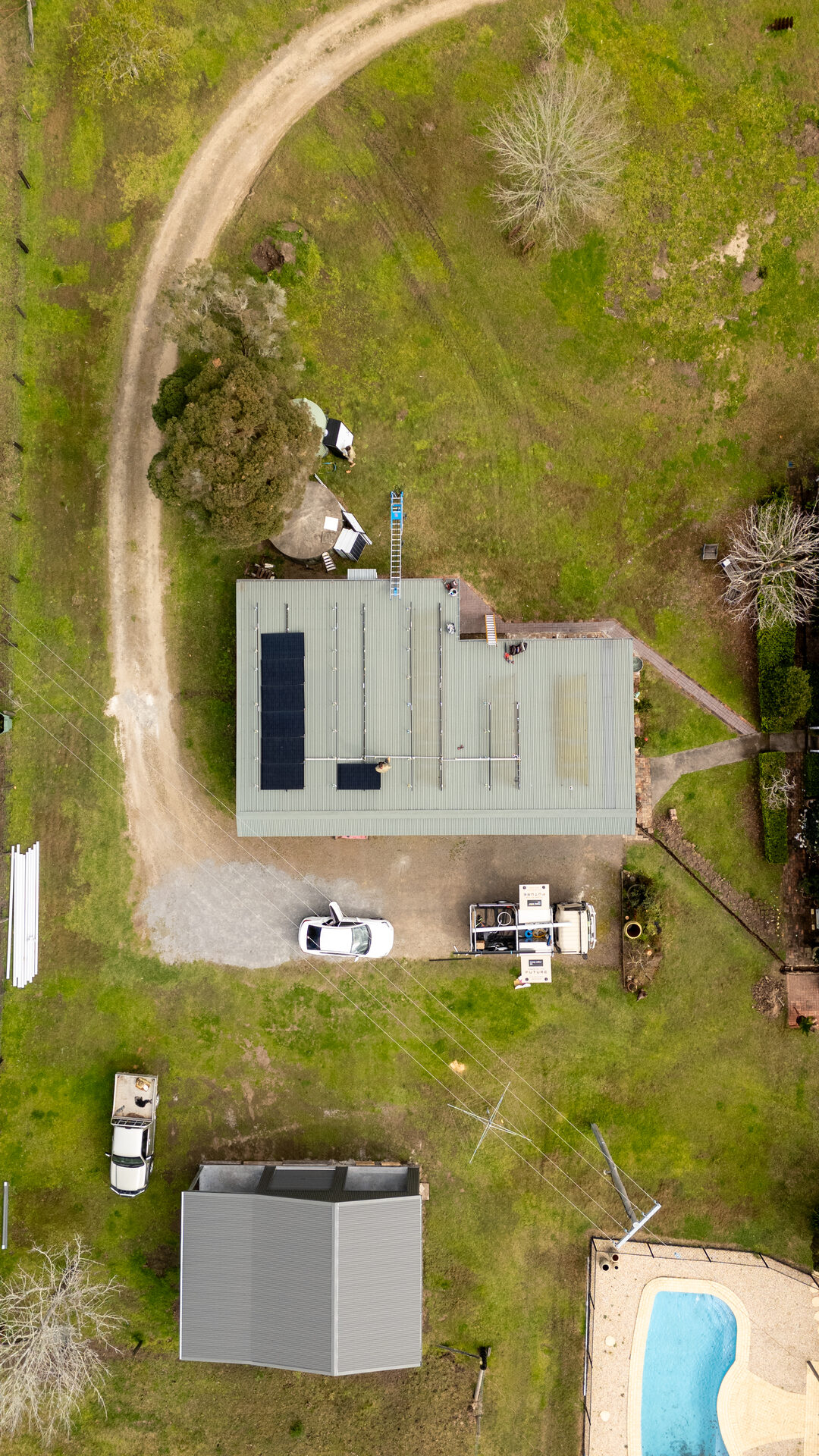
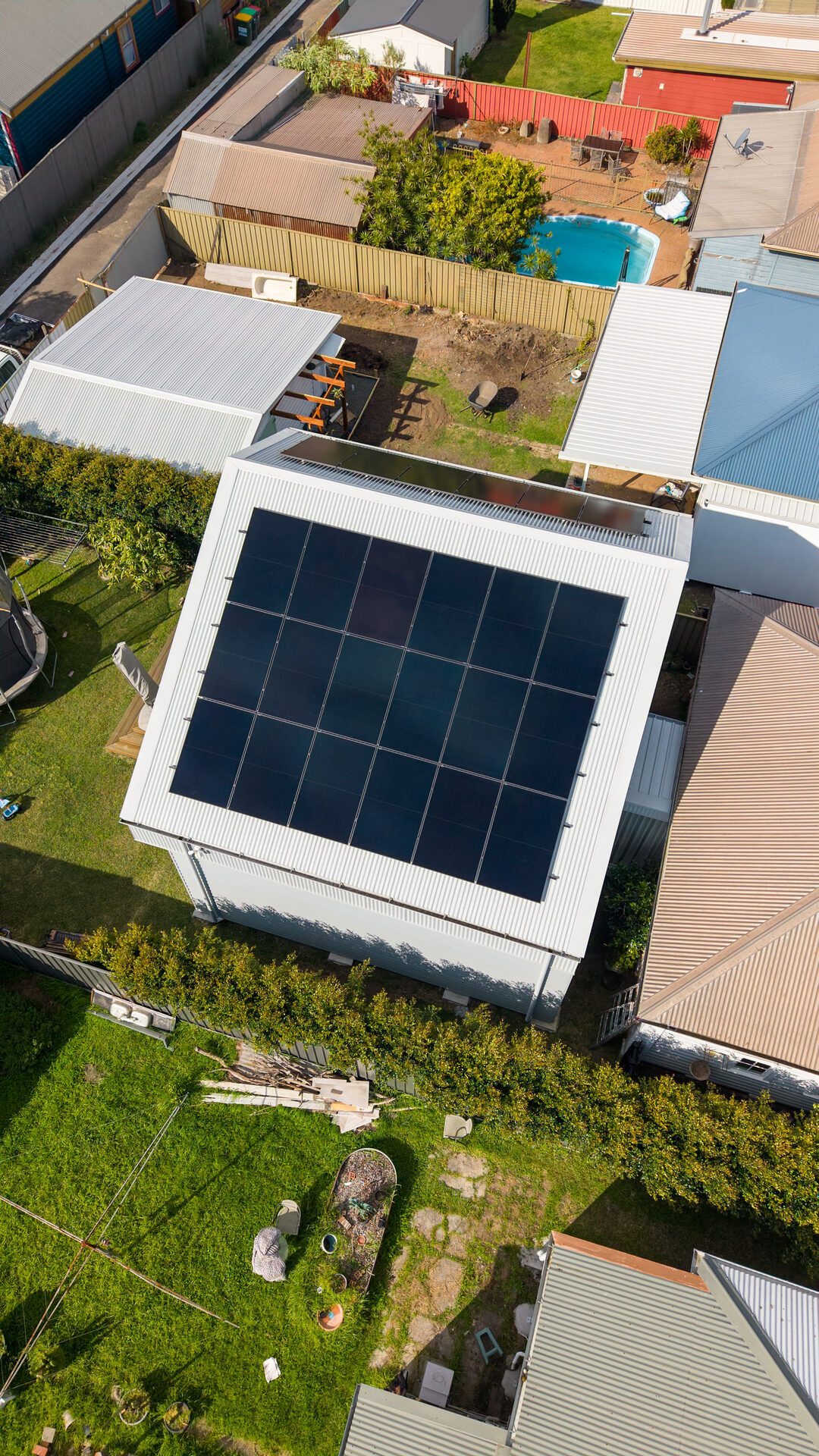
Our local work includes Wallsend: a battery that earns its keep, and Medowie: solar and storage on a big Port Stephens block. Those job descriptions are useful examples of our work, not evidence that either battery size is right for your home.
For pricing guidance, visit /battery-price-index and use /estimator to start your comparison. Request alternatives with a consistent scope so you can see the capacity, installation work and rebate assumptions clearly. A larger incentive is only one part of that decision.
Are the NSW loan and coming discount part of this calculation?
Keep them separate. The NSW Home Energy Saver loan is interest-free finance of up to $15,000 from a participating lender. It is repayable finance, not a discount, and should never be presented as money taken off the battery’s cost.
The Home Energy Saver discount of up to $4,000 for eligible concession-card or low-income households is coming soon. Applications are not open yet. Newy Solar Co is already planning around it: eligible households can get a quote now showing the $4,000 as a separate prospective line, and we add it to the proposal once applications open. It is not an available deduction today.
What should you check before accepting a quote?
Confirm the usable capacity, the federal factor period, the assumed STC value and any NSW VPP condition. The figures here were checked on 24 September 2026. Use /rebate-tracker for updates, and ask for a clear explanation of anything that could change before proceeding.
Want a quote comparing your battery options?
Newy Solar Co’s in-house licensed electricians can help Newcastle and Hunter homeowners compare suitable battery configurations with incentives shown separately. Visit /quote to request a practical comparison of capacity, installation scope and the support relevant to your household.
Common questions
Does a 28 kWh battery get twice the federal rebate of a 14 kWh battery?
No. The approved examples are approximately $3,658 for 14 kWh usable and $5,852 for 28 kWh usable, assuming an STC value of about $38.5. Capacity from 14–28 kWh receives 60% of the full federal rate.
Does going over 14 kWh reduce the rebate on the whole battery?
No. The first 14 kWh retains the full rate; only the capacity in the next band receives the reduced rate. Capacity from 28–50 kWh receives 15% of the full rate.
Do I need a VPP connection for the NSW battery incentive?
Yes. The NSW Peak Demand Reduction Scheme battery incentive requires VPP connection and provides $40 per usable kWh, capped at 28 kWh.
Can the Home Energy Saver discount reduce my price today?
No. The discount of up to $4,000 is coming soon, and applications are not open yet. Eligible households can request a quote showing it as a separate prospective line, not an available deduction.
Want this applied to your house?
Our estimator gives you an indicative system size and savings figure in a couple of minutes — then we confirm it against your actual bills.