
The Home Energy Saver loan NSW homeowners can access offers interest-free finance of up to $15,000 through a participating lender, and it must be repaid. It is separate from the coming-soon Home Energy Saver discount of up to $4,000 for eligible concession-card or low-income households, which is not open for applications yet.
| Support | Approved amount or rate | Key distinction |
|---|---|---|
| NSW Home Energy Saver loan | Interest-free up to $15,000 | Repayable finance through a participating lender |
| NSW Home Energy Saver discount | Up to $4,000 | Coming soon for eligible concession-card or low-income households; applications not open |
| Federal Cheaper Home Batteries | 6.8 STCs per usable kWh for September–December 2026, before size-based reductions | Full rate to 14 kWh; 60% for 14–28 kWh; 15% for 28–50 kWh |
| NSW PDRS battery incentive | $40 per usable kWh, capped at 28 kWh | Requires VPP connection |
For homeowners considering solar or a battery, the important distinction is between paying for the installation and reducing its cost. A loan helps finance a purchase; it does not turn the borrowed amount into a saving. This guide uses scheme information checked on 24 September 2026.
How does the Home Energy Saver loan NSW work?
The approved headline is straightforward: interest-free borrowing of up to $15,000 from a participating lender. The amount you borrow remains a debt to repay. Do not subtract the loan from an installation price and describe the result as the system’s final cost.
Instead, separate your installation proposal from your finance arrangement. The proposal should explain the equipment, installation scope and applicable incentives. The lender should explain eligibility, the amount approved and the repayment obligations. Before accepting either, check that the proposed work meets the lender’s requirements.
Treat “up to” as a limit, not a promise that every applicant will receive the maximum. For official scheme information, visit https://www.energy.nsw.gov.au/households/grants-rebates/home-energy-saver and confirm the current requirements with a participating lender.
What should you ask the lender before committing?
Interest-free is useful information, but it is not a complete household budget. Ask for the full terms in writing so you can compare the repayment commitment with your other expenses. Do not assume an installer’s quote is also confirmation of finance approval.
- Am I eligible, and what documents do you need to assess my application?
- Does my proposed installation qualify, and what needs approval before work starts?
- What amount can I borrow, and how much would I need to pay separately?
- What is the repayment schedule, and when do repayments begin?
- Are there any fees, early repayment conditions or consequences for missed payments?
- How should confirmed incentives and any future discount be handled in the finance application?
These are checks to make, not statements about particular loan conditions. Keep the lender’s answers alongside your installation quote. If the equipment or scope changes, ask whether the finance approval needs updating before you proceed.
Is the coming-soon $4,000 discount the same thing?
No. The Home Energy Saver discount is separate support of up to $4,000 for eligible concession-card or low-income households. Applications are not open yet. It should not appear as an available discount already deducted from the amount you need to pay today.
Newy Solar Co is already planning around it. Eligible households can request a quote now showing the potential $4,000 discount as a separate, clearly labelled coming-soon line. Once applications open, we add the applicable discount to the proposal, subject to eligibility.
That approach lets you explore the equipment and installation scope without confusing a future possibility with confirmed funding. If your decision depends on receiving the discount, make that clear before accepting a proposal. Check /rebate-tracker for scheme updates rather than budgeting as though applications are already open.

How do battery incentives differ from the loan?
Battery incentives belong in a different part of the calculation from borrowing. The federal Cheaper Home Batteries scheme uses small-scale technology certificates, or STCs. For September–December 2026, the factor is 6.8 STCs per usable kWh, with size-based reductions and a factor that resets each period.
The full rate applies to the first 14 kWh, then 60% of the rate for the portion from 14–28 kWh and 15% for the portion from 28–50 kWh. This means a larger battery does not receive the same certificate support for every additional usable kWh.
Separately, the NSW Peak Demand Reduction Scheme battery incentive provides $40 per usable kWh, capped at 28 kWh, and requires a virtual power plant connection. Ask about the VPP terms before counting that incentive in your budget. Check each scheme’s eligibility and how support can be applied to your proposal rather than assuming every item automatically combines.
Should you choose a system to match the loan limit?
Start with the home, not the borrowing ceiling. Bring your electricity bills, any existing solar details and your priorities to the discussion. Ask the installer to explain why the proposed solar or battery size suits your household rather than treating the maximum loan as a spending target.
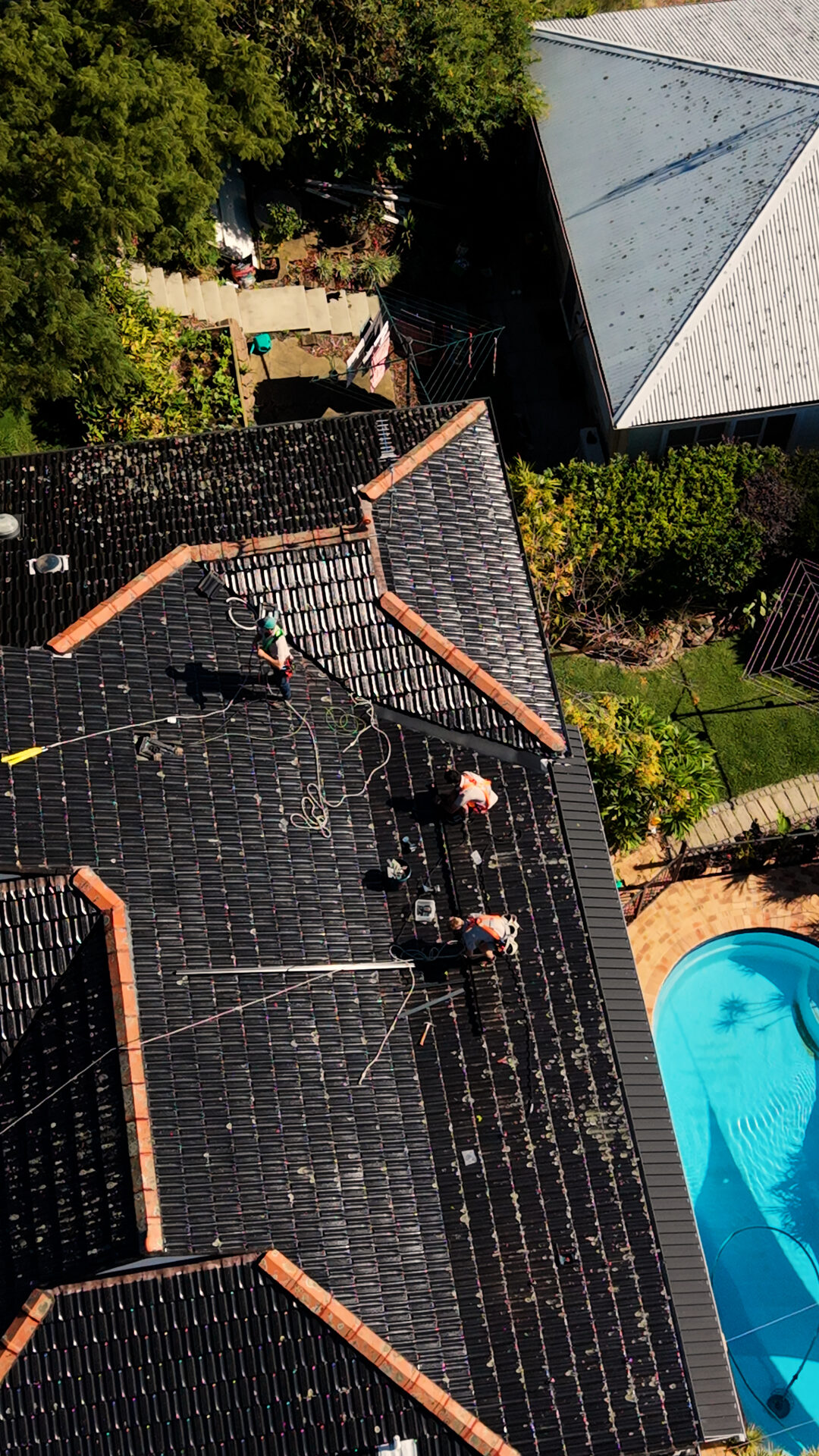
Our local work includes Medowie: solar and storage on a big Port Stephens block. That is a useful reminder to discuss your own property and installation scope, rather than assume another home’s setup is the right template. Newy Solar Co uses in-house licensed electricians for its installations.
For pricing research, use /battery-price-index and /estimator, then request a property-specific quote. Compare equipment and installation scope alongside the finance terms. Keep confirmed incentives, any coming-soon discount and the amount borrowed clearly separate so you can see what the system costs and what you still owe.
Ready to get a quote for your home?
Visit /quote to discuss your solar or battery plans with Newy Solar Co. Tell us whether you are exploring the interest-free loan or waiting for the coming-soon discount, so we can keep the proposal clear about installation costs, confirmed support and anything still subject to approval.
Common questions
How much can I borrow through the NSW Home Energy Saver loan?
The scheme offers interest-free loans of up to $15,000 through a participating lender. Confirm your eligibility, approved amount and repayment terms with the lender before committing.
Is the Home Energy Saver loan a rebate?
No. The loan is repayable finance, while a rebate or discount reduces an eligible cost. Keep the amount borrowed separate from incentives when comparing proposals.
Can I apply for the $4,000 Home Energy Saver discount now?
Applications are not open as at 24 September 2026. Eligible concession-card or low-income households can get a quote now showing the potential discount separately, with Newy Solar Co adding it to the proposal once applications open, subject to eligibility.
Does the NSW battery incentive require a VPP?
Yes. The NSW Peak Demand Reduction Scheme battery incentive requires a virtual power plant connection. It provides $40 per usable kWh, capped at 28 kWh.
Want this applied to your house?
Our estimator gives you an indicative system size and savings figure in a couple of minutes — then we confirm it against your actual bills.