
A virtual power plant NSW plan connects your home battery to a coordinated network, allowing an operator to manage stored energy under an agreement. Joining can help you access the NSW battery incentive, but you should understand the controls, reserve settings and exit terms before signing.
| Usable battery capacity | Federal battery STC estimate | NSW PDRS incentive with VPP connection |
|---|---|---|
| 14 kWh | ~95 STCs (~$3,658) | $560 |
| 24 kWh | ~136 STCs (~$5,236) | $960 |
| 28 kWh | ~152 STCs (~$5,852) | $1120 |
| 32 kWh | ~156 STCs (~$6,006) | $1120 |
How does a virtual power plant NSW plan work?
Your battery stays at home; the connection is about coordinated operation, not moving equipment. A VPP operator can direct participating batteries to respond together, including by exporting stored energy to the grid. The agreement should explain what actions the operator can take and under what conditions.
That adds another purpose to a household battery. Instead of considering only when you store solar and use it at home, you also need to consider when the operator can access that energy. Treat the VPP agreement as a separate decision from choosing the battery itself.
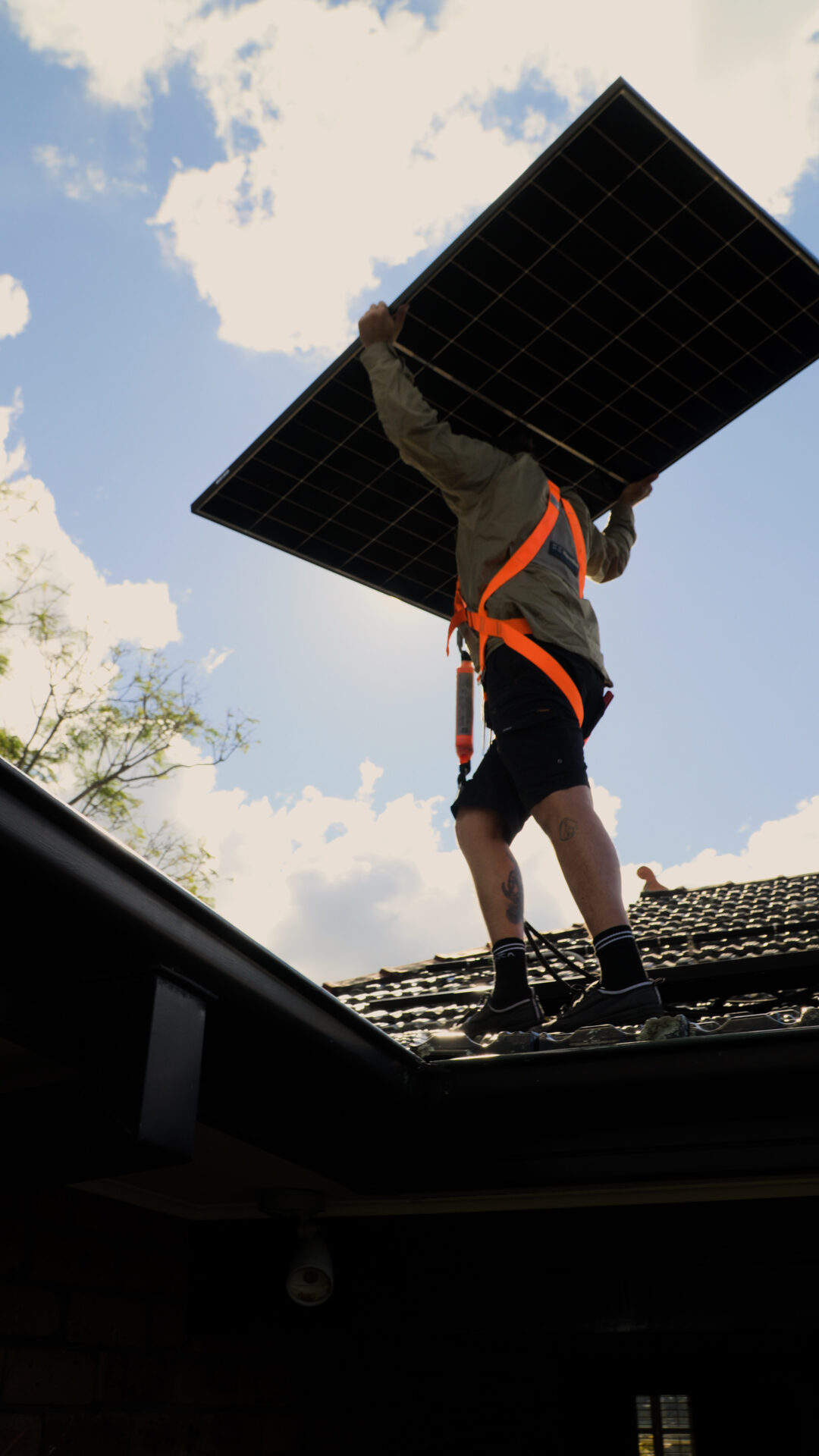
What control are you agreeing to share?
Ask for a plain-English explanation of the operator’s permissions. Do they cover charging, discharging or changing operating settings? Can you pause participation, and does doing so affect your benefits? Do not assume the controls shown in a battery app override the VPP agreement.
The useful question is not simply whether you still own the battery. It is whether its operation will suit your household after someone else has permission to manage it. Get the answers in writing and keep them with your battery proposal.
- Check when the operator can charge or discharge your battery.
- Ask whether you can set a minimum reserve and whether it applies during VPP events.
- Confirm any electricity retailer, tariff, internet or equipment requirements.
- Read how rewards, charges and exported energy are calculated.
- Check the contract term, cancellation process and any incentive repayment conditions.
- Ask who handles faults, connection problems and questions about battery operation.
Will there still be energy for evenings and blackouts?
If the operator exports stored energy, that energy is no longer sitting in your battery for later household use. Ask how the plan balances VPP activity with your own consumption. A reward should be assessed alongside any change in electricity you need to buy, not viewed in isolation.
Backup is a separate installation question. Do not assume that owning a battery or joining a VPP means your home will run during an outage. Have the installer confirm the backup configuration and supported circuits, then ask the VPP provider how its reserve rules interact with that setup.
Be specific about your priorities. If keeping stored energy for evening use or backup matters more than allowing frequent dispatch, say so before choosing a plan. Ask whether the proposed agreement can accommodate that preference rather than relying on a general assurance.
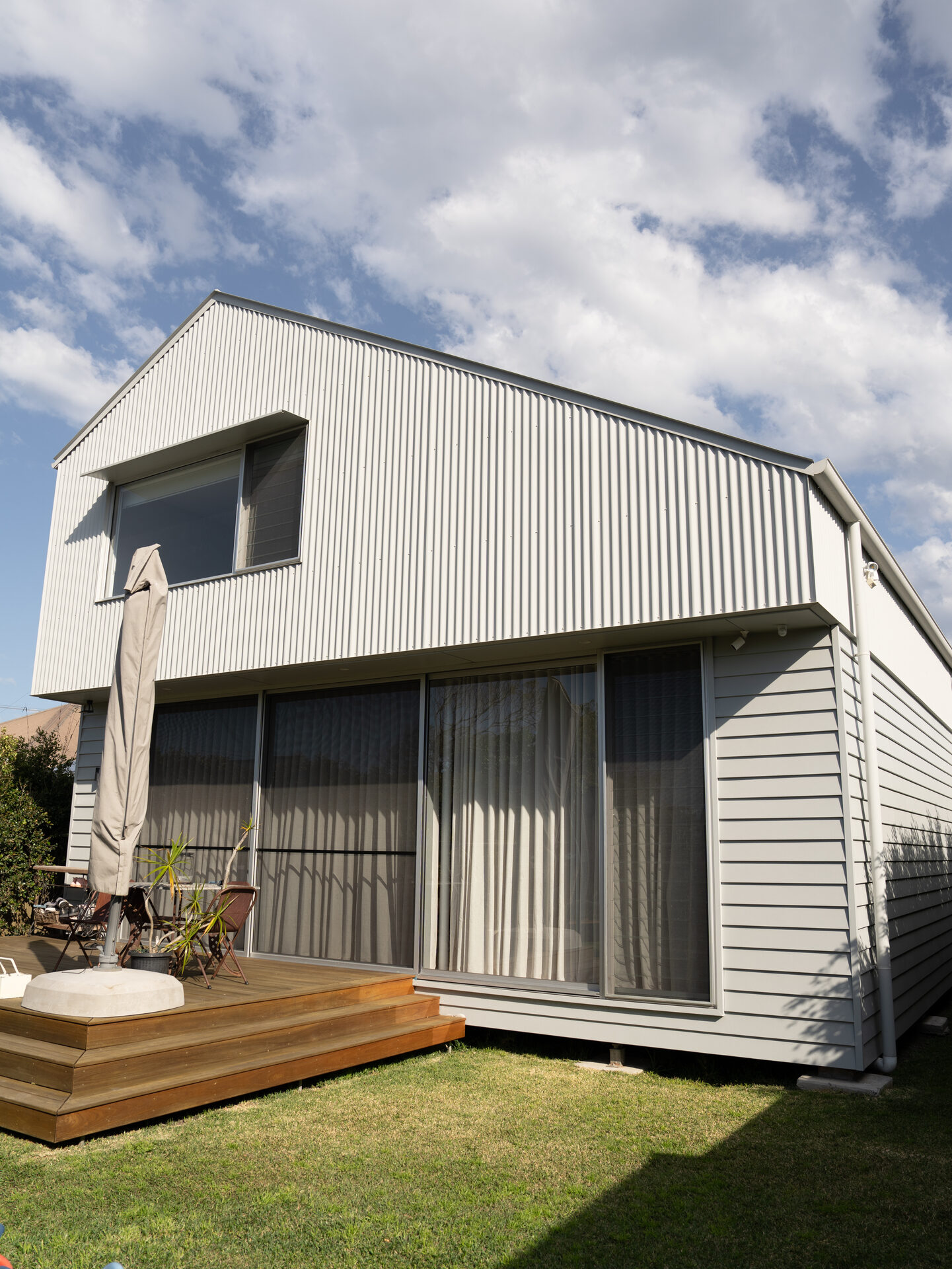
Which battery incentives involve a VPP?
The NSW Peak Demand Reduction Scheme battery incentive requires VPP connection. It is $40 per usable kWh, capped at 28 kWh. The quick-facts table shows approved examples alongside estimated federal battery STC support; these are incentive examples, not installed prices or guaranteed VPP earnings.
For September–December 2026, the federal Cheaper Home Batteries factor is 6.8 STCs per usable kWh. The full rate applies to the first 14 kWh, then 60% for the 14–28 kWh portion and 15% for the 28–50 kWh portion. The table assumes an STC value of approximately $38.5.
These facts were checked on 24 September 2026, and the federal factor resets each period. Eligibility still needs checking for your proposed installation. Visit /rebate-tracker for updates, and have each incentive shown separately in the proposal so you can distinguish installation support from the ongoing VPP offer.
How do you judge whether the offer is worthwhile?
Compare the whole arrangement, not just the advertised benefit. Ask the provider to explain any ongoing rewards, relevant electricity rates, fees and conditions. If a benefit is conditional, find out exactly what you must do to receive it and what happens if your circumstances change.
Keep the installation decision separate from uncertain future earnings. For battery pricing information, use /battery-price-index; for an initial estimate, visit /estimator. Ask for a comparison based on your household’s usage, with assumptions clearly identified rather than treating possible VPP income as a guaranteed saving.
Should VPP participation change your battery choice?
Start with your household’s needs, then check compatibility with the specific VPP. Ask the provider to confirm the exact battery and inverter combination before committing. A battery being suitable for your home does not, by itself, establish acceptance into a particular plan.
Compare usable capacity rather than assuming every capacity label means the same thing. Also ask how the proposed operation fits the battery’s warranty conditions. Our local work includes Wallsend: a battery that earns its keep. For your own home, sizing should follow your needs—not an assumption about future VPP rewards.
Want a quote that considers the VPP agreement?
Newy Solar Co’s in-house licensed electricians can discuss your existing solar, battery options and backup priorities. Bring your electricity bill and any VPP offer you are considering. Visit /quote to request a quote and ask us to identify what needs confirming with the VPP provider before you commit.
Common questions
Does joining a VPP mean giving up control of my battery?
It means authorising an operator to manage your battery within the agreement’s terms. Check what control you retain over reserves, participation and settings rather than assuming every plan works the same way.
Do I need a VPP to receive the NSW battery incentive?
The NSW Peak Demand Reduction Scheme battery incentive requires VPP connection. The approved rate is $40 per usable kWh, capped at 28 kWh, subject to eligibility.
Will my battery still provide power during a blackout?
Joining a VPP does not establish that your system can provide backup. Ask your installer to confirm the backup configuration, which circuits it supports and how the VPP’s reserve settings affect available stored energy.
Can I leave a VPP after joining?
Check the agreement for its minimum term, notice requirements, exit fees and any incentive repayment conditions. Get these details in writing before accepting the offer.
Want this applied to your house?
Our estimator gives you an indicative system size and savings figure in a couple of minutes — then we confirm it against your actual bills.